

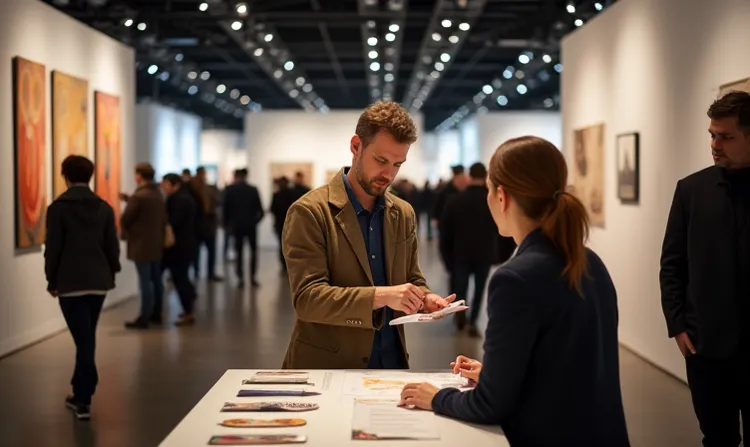
🎭 Organization of successful cultural events and exhibitions
Organizing exhibitions and cultural events requires careful planning and attention to detail. In this post, we’ll cover the key aspects that will help you successfully organize and monetize your event. Browse our event organizer products to find the tools and resources you need.
📆 Planning and logistics

Organizing an event begins with detailed planning. Determine the event goals, target audience, and select a suitable location. Develop a timeline with key dates and deadlines, taking into account all aspects, from booking the venue to the final preparations. Logistics is the cornerstone of a successful event, including transportation, accommodation, catering, and security.
🎨 Creative approach and theme
A creative approach to organizing an event can significantly increase its appeal. Develop a unique theme that will reflect the content of the event and interest the target audience. This can include design, decorations, interactive elements and themed areas that will create an unforgettable experience for attendees.
💰 Monetization and partnerships
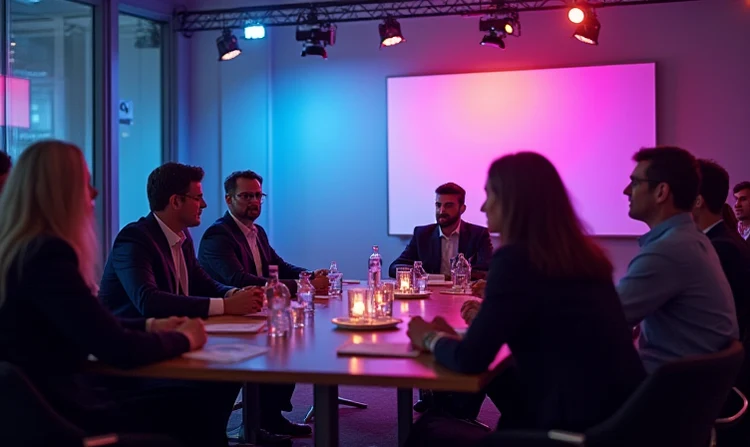
One of the key aspects of a successful event is effective monetization. Consider various revenue sources such as ticket sales, sponsorships, marketplaces, and paid attractions. Finding partners and sponsors who share your event’s values and are interested in your audience can significantly increase the budget and quality of your event.
📣 Marketing and promotion
Effective promotion is crucial to attracting an audience. Use a combination of traditional and digital marketing channels, including social media, email newsletters, PR campaigns and advertising. Create engaging and informative marketing materials that highlight the uniqueness of your event.
🌟 Audience engagement and interactivity
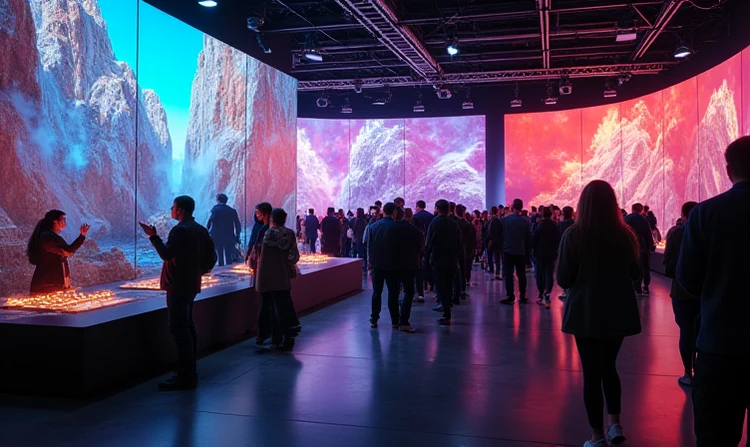
Creating an engaged and active audience is key to the success of any event. Design interactive elements such as workshops, discussion panels, and themed areas so that attendees can not only observe but also participate. Use technology such as mobile apps or AR/VR to enhance audience interaction and enrich their experience.
📈 Tracking success and feedback
After the event, it is important to analyze its success and collect feedback from participants. Use questionnaires, online surveys, and social media to collect feedback from attendees. Data analysis will help improve future events, eliminate shortcomings, and strengthen successful aspects.
⁉️🤔 Popular questions and answers
- What are the main factors to consider when choosing a location for an event?
It is important to consider the size and capacity of the venue, its accessibility and logistics, the availability of the necessary technical equipment, as well as the suitability of the venue to the overall theme and atmosphere of the event.
- What strategies can help in attracting sponsors?
Effective strategies include providing sponsors with opportunities to showcase their products or services, as well as offering exclusive advertising rights and interaction with your audience.
- What are the best tools to promote a cultural event?
Use of social networks, targeted advertising, PR campaigns, cooperation with media partners and influencers, as well as the creation of attractive and informative promotional materials.
- How can you engage your audience as effectively as possible during an event?
Creating interactive zones, organizing exciting activities and master classes, using technology to enhance interactivity, and providing opportunities for networking between participants.
- How to evaluate the success of an event?
Use quantitative metrics such as attendee numbers, sales revenue, social media engagement, and qualitative assessments including attendee feedback and sponsor satisfaction.
💎 Results and conclusions
Organizing exhibitions and cultural events is a complex process that requires detailed planning, creativity, and attention to detail. From planning and logistics to marketing and monetization, every aspect plays a key role in creating a successful event. Use these best practices to create a unique and memorable experience for your audience while achieving your business goals.