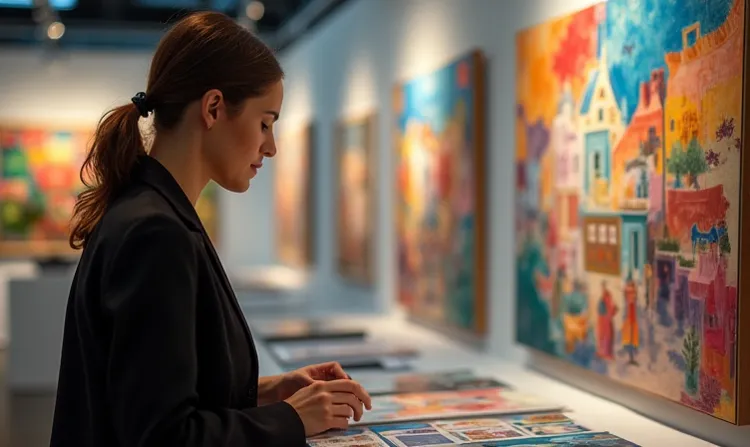
🖼️ Exhibition Organization: How to Make an Event Successful
🛠️ Introduction: The Key to a Successful Exhibition
How to make an exhibition not just an event, but a memorable and successful event? Organizing exhibitions is an art that requires attention to detail, planning and creativity. Let's look at the basic steps that will help make your exhibition a success. Start by learning about the tools and materials needed for organizing, in Here you will find products for exhibition organizers.
🌟 Basic tools for organizing exhibitions
| Name | Purpose | Peculiarities | Rating |
|---|---|---|---|
| Eventbrite | Registration of participants | Convenient platform for managing registration and tickets | ⭐⭐⭐⭐⭐ |
| Trello | Planning and coordination | Helps organize tasks and deadlines | ⭐⭐⭐⭐ |
| Canva | Materials design | Tool for creating visual materials for an event | ⭐⭐⭐⭐ |
| Social Tables | Space planning | Allows you to visualize and plan the location of stands and zones at the exhibition | ⭐⭐⭐⭐ |
These tools make the organization process easier and help you pay attention to every detail of the event.
🎯 Planning and Strategy
Planning is a key element to the success of any exhibition. It is necessary to clearly define the objectives of the event, the target audience, and also take into account logistics and financial aspects.

📆 Event organization
Start by creating a detailed event plan. Identify key stages of preparation, from choosing a location to promoting the event. Use planning tools to track progress and stay on track.
🌟 Welcome treatment for Participants and Sponsors
One of the most important aspects of a successful exhibition is attracting exhibitors and sponsors. This requires an effective marketing strategy and the ability to build partnerships.
📢 Marketing and Advertising
Develop a marketing strategy, including online and offline advertising, social media and PR. Use various communication channels to reach the maximum audience.
💼 Search for Sponsors
Having sponsors can significantly increase the level and status of your event. Approach potential sponsors with a clear partnership offer, demonstrating the benefits of their participation.
🎨 Design and Visualization
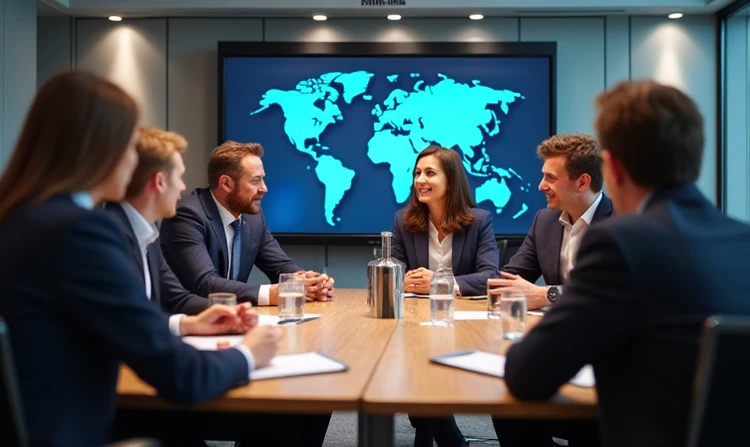
The aesthetics and appearance of the exhibition are of great importance. The design should correspond to the theme of the event and contribute to the creation of a unique experience for visitors.
🖌️ Visual Design
Create an attractive visual design that will make your exhibition stand out. This includes the design of stands, information materials and decorations.
🤝 Networking and Relationships
An exhibition is not only a platform for demonstrating goods and services, but also a unique opportunity for networking and establishing business contacts. Creating a favorable atmosphere for communication and business exchange is a key moment in organizing an event.
🤖 Innovative Technologies
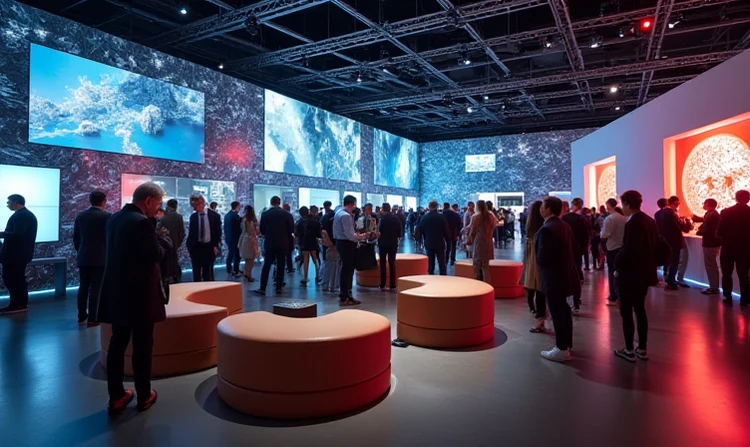
Using the latest technologies such as virtual reality or interactive booths can greatly increase interest in your exhibition and create additional networking opportunities.
🗣️ Communication Zones
Provide areas for communication where participants can freely discuss business issues in an informal setting. This will promote more productive and comfortable communication.
⁉️🤔 Popular questions and answers
- What factors are important when choosing a location for an exhibition?
Factors such as accessibility, capacity, infrastructure and technical capabilities of the location are important.
- Which marketing channels are most effective for attracting exhibitors to the exhibition?
Social media, email marketing, media advertising and partnerships with industry communities have proven effective.
- How can technology improve the visitor experience at an exhibition?
Innovative technologies such as virtual and augmented reality, interactive booths and mobile apps can improve visitor engagement and provide them with a deeper, more interactive experience.
💡 Summing Up and Assessing Success
After the exhibition is over, it is important to review and evaluate its success. This will help you understand what was done right and what needs improvement in the future.
📊 Analytics and Feedback
Collect event data, including attendance, exhibitor satisfaction, and sponsor feedback. Use this information to evaluate the effectiveness of the event and plan future exhibitions.
🚀 Improvement Strategies
Based on the analysis, identify key areas for improvement. This may include changes to the marketing strategy, logistics, or event format.

💎 Results and conclusions
Organizing a successful exhibition requires careful planning, attention to detail, and flexibility. From marketing and design to networking and evaluation, every stage plays a critical role. Use modern technology and innovative approaches to improve interaction with participants and create unforgettable experiences. Remember that feedback and analytics are your best tools for continuous improvement and reaching new heights in organizing exhibitions.