

📝 Effective financial planning: from budget to savings 💡
📝🔍 Basics of Financial Planning
Financial planning is a key element of personal or corporate financial management. It is the process of determining how to effectively manage income and expenses to achieve financial goals. The basis of successful financial planning is realistic budgeting and strict adherence to it.
Steps to Effective Financial Planning:
- Income Assessment: Determine your regular income.
- Expense Tracking: Write down all your monthly expenses.
- Targeted Savings: Set aside a portion of your income for savings or investments.
- Emergency Fund: Create a fund for unexpected expenses.
Creating a clear financial plan will help you manage your finances more consciously and avoid unnecessary debt.

💡📈 Developing a Budget Allocation Strategy
Effective budgeting requires carefully developing a strategy that takes into account your financial goals and priorities. This includes identifying long-term and short-term goals and allocating resources to achieve them.
Key Aspects of Budget Allocation:
- Prioritize Expenses: Determine which expenses are essential and which can be cut.
- Clearly Separate: Divide your budget into major categories such as housing, food, transportation, entertainment and savings.
- Flexibility: Be prepared to adjust your budget based on changes in income and expenses.
Effective budgeting helps you control your financial situation and helps you achieve financial stability and independence.
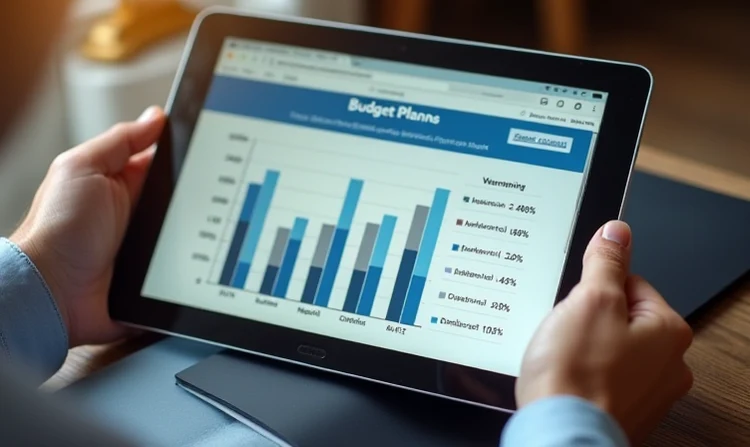
🌟🏦 Financial Planning and Budget Management Tools
In today's world, there are many tools and apps that can help with financial planning and budget management. From mobile apps to online platforms, these tools offer various features such as expense tracking, bill reminders, and financial habit analysis.
Popular Financial Planning Tools:
- Mint: Helps you manage your budget and track your expenses.
- You Need A Budget (YNAB): Aimed at budgeting and debt reduction.
- Personal Capital: Offers investment management and spending planning.
Using these tools helps automate the financial planning process, making it more accessible and less time-consuming.

📊 Creating an Effective Emergency Fund
One of the key aspects of financial planning is creating an emergency fund that can protect you in the event of unexpected circumstances, such as job loss, medical expenses, or major household breakdowns. An emergency fund helps ensure financial security and avoids the accumulation of debt in crisis situations.
Recommendations for Creating an Emergency Fund:
- Initial Capital: Aim to save enough to cover at least 3-6 months of expenses.
- Regular Contributions: Set aside a small portion of your income each month to contribute to the fund.
- Availability of Funds: Keep the fund in a liquid form, such as a savings account, so that funds are available when needed.
An emergency fund is an essential part of a sound financial plan and helps provide peace of mind when it comes to financial matters.
🌟🔄 Strategies for Managing Debt and Savings
Proper debt management and strategic savings planning play an important role in financial well-being. Effective debt management involves prioritizing high-interest debt and avoiding unnecessary debt. At the same time, it is important to develop a savings strategy that is aimed at achieving long-term financial goals.
Table: Debt and Savings Management Strategies
| Strategy | Description | Advantages |
|---|---|---|
| Snowball | Pay off debts, starting with the smallest | Fast results, motivation |
| Avalanche method | Paying off debts with the highest interest rate | Saving on interest, reducing the total amount of debt |
| Automatic translations | Regular automatic transfers to a savings account | Continuous accumulation of savings, discipline in finances |
Managing debt and savings requires discipline and planning, but the result is improved financial health and confidence in the future.

⁉️🤔 Popular questions and answers
- How to Start Financial Planning on a Budget?
Start by assessing your expenses and creating a budget. Even with limited resources, monitoring your spending and planning for savings can help improve your financial situation.
- What is an emergency fund and why is it important?
An emergency fund is a savings account set aside for unexpected expenses, such as medical bills or job loss. It provides financial security in times of crisis.
- What tools can help with financial planning?
Tools like Mint and YNAB can help you manage your budget and track your expenses, making the financial planning process easier.
💎 Results and conclusions
Financial planning and proper budgeting are not only about controlling your finances, but also about building a foundation for financial independence and stability. With effective strategies and useful tools, anyone can improve their financial situation and achieve their financial goals.