
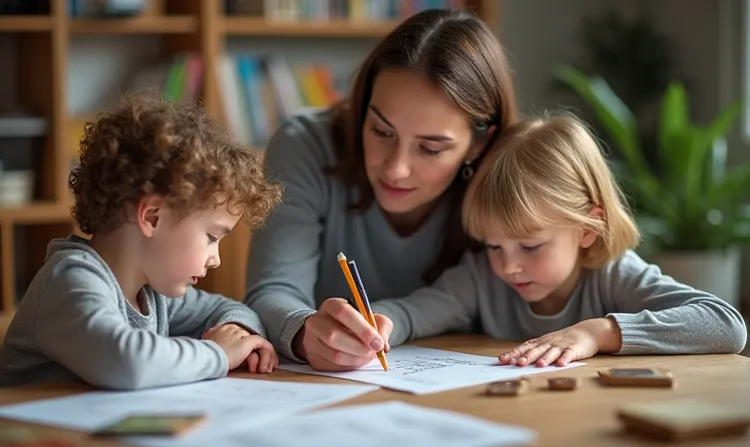
💰 Methods of financial education of children 🌱
Financial education for children is a key element in preparing them for adult life. Teaching children the basics of saving is giving them an important life skill. Choose the best resources for financial education for children here. Let's look at what methods of teaching savings can be effective for children.
📚 Understanding the Value of Money
Start with the basics – explain to children where money comes from and why it is important. It is important for children to understand that money is not only a means for shopping, but also the result of work.
🌱 Teaching Methods
- Pocket Money: Give children a small amount of money regularly to help them learn to budget.
- Games and Activities: Use educational games, such as Monopoly, to practice learning about finance.
💡 Developing Planning and Budgeting Skills
Teach your children how to create a simple budget and plan their spending. This will help them develop a responsible attitude towards money.
📈 Effective Approaches
- Create a Piggy Bank: Help children create a piggy bank to save money for a specific purpose.
- Keeping Track of Expenses: Encourage children to write down their expenses so they can see where their money is going.
📖 Educational Materials
- Financial Planning Books for Kids: Provide children withage-appropriate books that explain the basics of financial planning.
- Mobile Apps: Use educational apps for kids that will help them learn the basics of budgeting in a fun way.
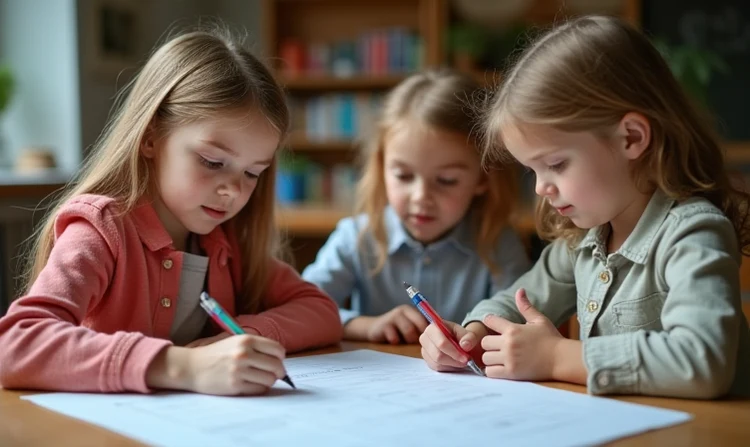
🎯 Practical Classes and Real Situations
Incorporating financial exercises into everyday life is a great way to teach children the practical use of money.
🛒 Examples of Practical Exercises
- Shopping on a Budget: Challenge your kids to make small purchases on a budget.
- Family Event Planning: Involve your children in planning family events on a budget.
⁉️🤔 Popular Questions and Answers
Let's talk about frequently asked questions related to the financial education of children.
- At what age should you start financially educating your children?
Financial education can and should begin at an early age, around 4-5 years old, starting with the most basic concepts about money.
- How to motivate children to save and not spend all their pocket money?
You can introduce a reward system for saving or accumulating, such as extra money or small gifts for achieving financial goals.
- How can you explain to children the importance of saving without creating a sense of deprivation?
It is important to emphasize that saving does not necessarily mean giving up something, but the ability to rationally manage resources to achieve more significant goals.
💎 Results and Conclusions
Financial education for children is an important task that helps prepare them to handle money responsibly in the future. It is important to start teaching at an early age, using games, practical tasks and real-life situations to develop planning, saving and budgeting skills.
- Early Start: The earlier financial education begins, the better prepared children will be to make financial decisions in the future.
- Practical Approach: Using real situations and practical tasks makes learning more effective.
- Support and Encouragement: Encouragement and support from parents are key in the financial education process.
Financial education not only teaches children to save, but also develops in them responsibility, independence and the ability to make informed decisions.