🎨 Art in the Digital Age: How to Sell Online 🌐
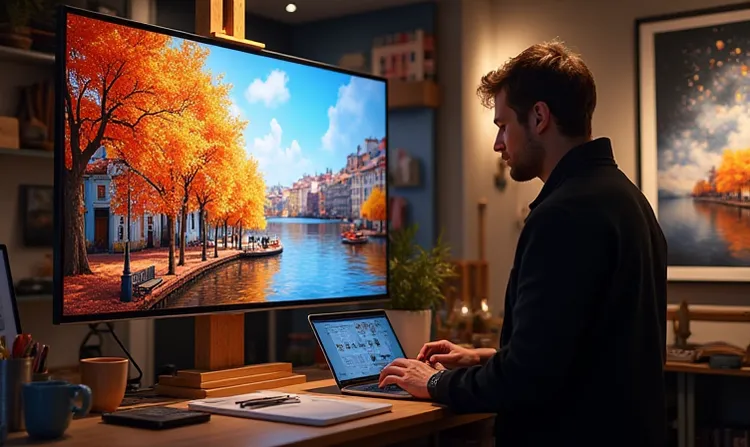
Have you ever wondered how the digital age has transformed the art world? Today, thanks to the internet, artists and creators have unprecedented opportunities to sell their work. But how do you do it effectively? In this post, we’ll look at the key aspects of selling art online, as well as offer practical tips and tricks. Let’s start by learning about the possibilities of selling art online here.
🌐 Platforms for selling art online
Choosing the right platform is one of the key aspects of successfully selling art online. Here are some popular platforms:
- Etsy: Ideal for artists selling handcrafted pieces.
- Saatchi Art: Offers a large audience for contemporary art.
- Artfinder: Suitable for professional artists with a unique style.
📈 Marketing strategies
Marketing is the key to achieving success in selling art online. Effective methods include:
- Social Media: Use Instagram, Facebook, and Pinterest to promote your work.
- Email: Sending news and special offers to subscribers.
- Blogging: Creating content that attracts your target audience and increases visibility.
🖼️ Photography and presentation of art
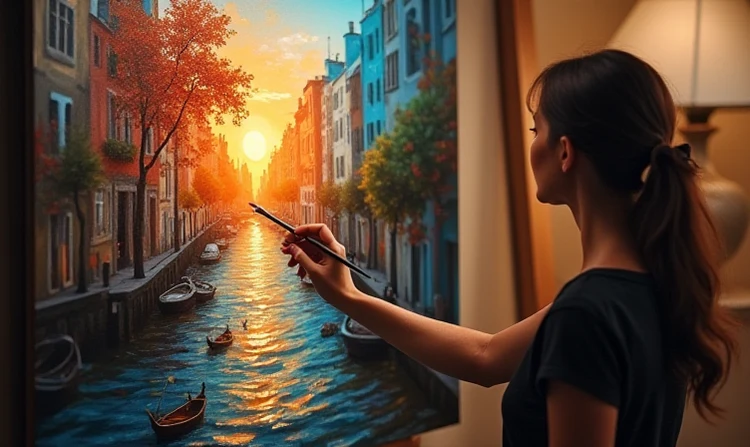
Providing quality representation of your art online is crucial. Here are some photography tips:
- Good Lighting: Make sure your work is well lit.
- Image Clarity: Use a high quality camera to take clear pictures.
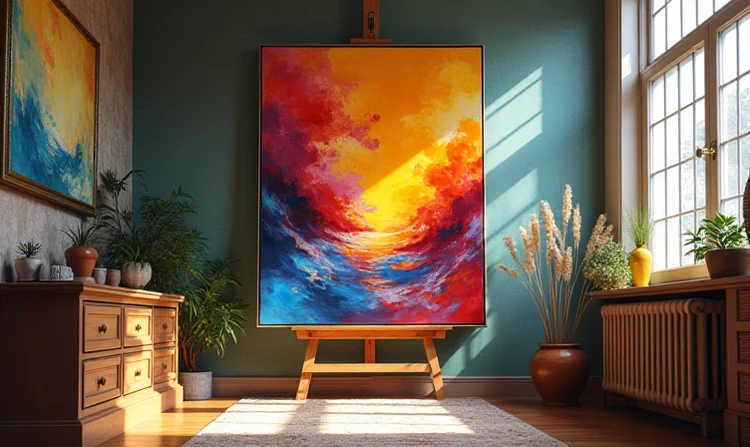
- Context: Display your work in context (for example, on a wall in an interior).
🤝 Networking and Community
Networking and community engagement are key to success in the digital age. It is important to participate in online exhibitions, groups and forums where you can interact with other artists and buyers.
To stand out from the crowd, it is important to have a unique signature style. This helps to attract the attention of buyers who are looking for your type of art.
💡 Using Digital Tools to Sell Art
In the digital age, having online tools and software to manage sales plays an important role. Let's look at some of them:
- CRM systems: Tracking customer interactions and managing sales.
- Analytics Platforms: Analyze traffic on your website or social media pages.
- Email Marketing Tools: Email Automation and Subscription Management.
📝 Creating an effective online portfolio
To successfully sell art, it is important to have an attractive and easily accessible online portfolio:
- Professional Design: Create a website that showcases the quality of your work.
- Ease of Navigation: Make sure that potential buyers can easily find and view your work.
- Contact Information: Make contact information easily accessible.
🌍 Global reach
By selling art online, you gain access to a global audience, which greatly expands your sales opportunities.

🚀 Strategies for promoting art on the Internet
To increase sales, it is important to not only create but also promote your art. Here are some strategies:
- SEO for Artists: Optimize Your Website and Content for Search Engines.
- Contextual advertising: Use Google Ads or social networks for targeted advertising campaigns.
- Affiliate Programs: Partner with bloggers and influencers to expand your audience.
🎙️ Interaction with customers
Actively engaging with customers increases loyalty and repeat purchases. Maintain feedback via social media and email, organize online events and webinars.
📊 Analysis and optimization
Regularly analyze results and optimize sales strategies. Use analytics to understand audience preferences and adjust marketing campaigns.
⁉️🤔 Popular questions and answers
- How to start selling art online?
Start by creating an online portfolio and choosing the right platform to sell on.
- Which social media platforms are best for promoting art?
Instagram and Pinterest are most effective due to their visually-oriented format.
- Do you need to have your own website to sell art?
Having your own website is not required, but it can greatly enhance your professionalism and credibility.
💎 Results and conclusions
Selling art online is a modern necessity for artists looking to expand their reach and reach. Using various online platforms, effective marketing strategies, and actively engaging with your audience can greatly increase the visibility and sales of your artwork. It is important not only to create quality art, but also to skillfully present and promote it in the digital age.