
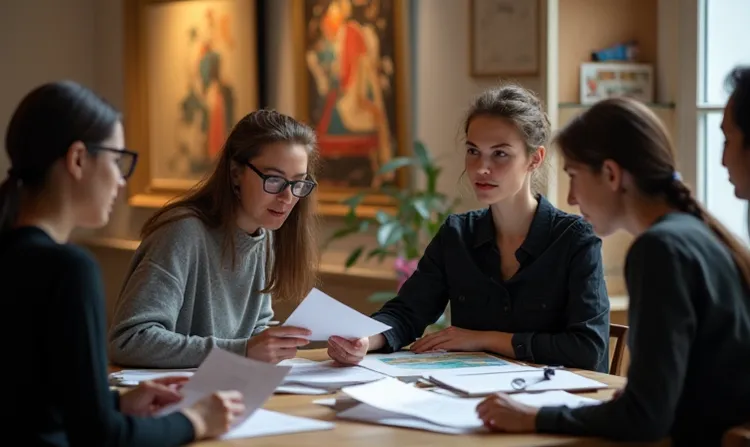
🖼️ How to collaborate with galleries: steps to a successful partnership
🤝 Introduction: Gallery Partnership Basics
What are the key elements of a successful collaboration between artists, art agents and galleries? Effective partnerships in the arts require mutual understanding, strategy and a clear communication process. Knowing how to work with galleries can greatly enhance your professional experience and bring mutual benefits. Explore the resources you need to build a successful partnership at Gallery & Art Agent Supplies.
🌟 Necessary tools for collaboration
| Name | Purpose | Peculiarities | Rating |
|---|---|---|---|
| ArtLogic | Gallery Management | Integrated system for managing art objects and clients | ⭐⭐⭐⭐⭐ |
| Artsy | Art Selling Platform | Connects artists and galleries with collectors | ⭐⭐⭐⭐ |
| Vastari | Network platform | Helps organize exhibitions and find partners | ⭐⭐⭐⭐ |
These tools can help establish and maintain productive relationships between all members of the art community.
🎨 Building Relationships
The key to successful collaboration with galleries lies in building trusting and mutually beneficial relationships.
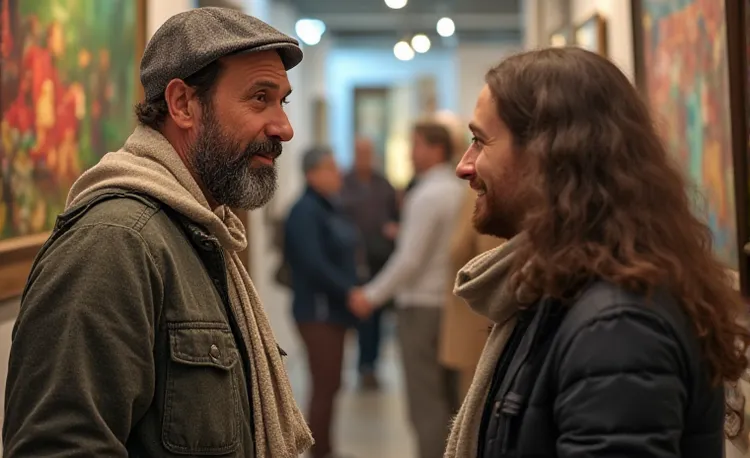
📈 Strategic Planning
Develop a strategy for collaboration that takes into account the goals of both your side and the gallery. This includes understanding the gallery's target audience, their exhibition policy and marketing strategies.
🔄 Interaction and Communication
Effective communication and collaboration are the foundation of any successful partnership. Maintaining an open and honest dialogue between the artist and the gallery promotes understanding and mutual interests.
🗣️ Regular Communication
Regularly discuss current and future projects, exhibitions and events. This will help both parties stay informed about changes and opportunities.
💡 Exchange of Ideas and Concepts
Actively participate in the discussion of exhibition concepts and projects. Your opinion and creative ideas can significantly influence the overall success.

📋 Organization and Management
Management and organization are key aspects in collaboration with galleries. This includes exhibition coordination, artwork logistics and documentation.
🗓️ Exhibition Planning
Carefully plan your exhibitions, taking into account logistics, installation and presentation of the works. This will help avoid misunderstandings and ensure that all works are presented in the best possible light.
📊 Analysis and Evaluation of Results
After each exhibition or joint project, it is important to analyze and evaluate the results. This will help to understand what was successful and what needs improvement in the future.
🔄 Feedback
Collect feedback from visitors, critics and other artists. This will provide valuable data for analyzing the effectiveness of cooperation and the quality of the works presented.
📈 Sales and Attendance Assessment
⁉️🤔 Popular questions and answers
- What are the key aspects to consider when choosing a gallery to collaborate with?
The gallery's reputation, its exhibition policy, its target audience and its approach to promoting artists are important.
- How can an artist prepare for collaboration with a gallery?
It is necessary to prepare a portfolio, develop a clear concept of your work and be prepared to actively participate in the process of planning and holding exhibitions.
- What strategies help strengthen your gallery partnership?
Effective communication, regular updates on your work and participation in joint events and gallery projects.
💡 Strategies for Improving and Developing Partnerships
For long-term and successful collaboration with galleries, it is important not only to maintain but also to develop partnerships. This requires flexibility, creativity and a desire for continuous improvement.
🌐 Network and Opportunity Expansion
Look for opportunities to expand your influence and presence in the art world. Participate in art fairs, exhibitions, and other events to build your reputation and expand your network.
🚀 Using New Technologies
Don’t be afraid to integrate new technologies into your art and collaborations with galleries. Virtual exhibitions, digital art, and online platforms can open up new horizons for your creativity and partnerships.
💎 Results and conclusions
Collaborating with galleries requires a strategic approach, active communication, and a willingness to innovate. From building trust to analyzing and evaluating results, every step of the process matters. Develop your skills, expand your network, and don’t be afraid to experiment to ensure that your collaboration with galleries is not only successful, but also inspiring.