✈️ Travel after the pandemic: safety and new trends 🌍
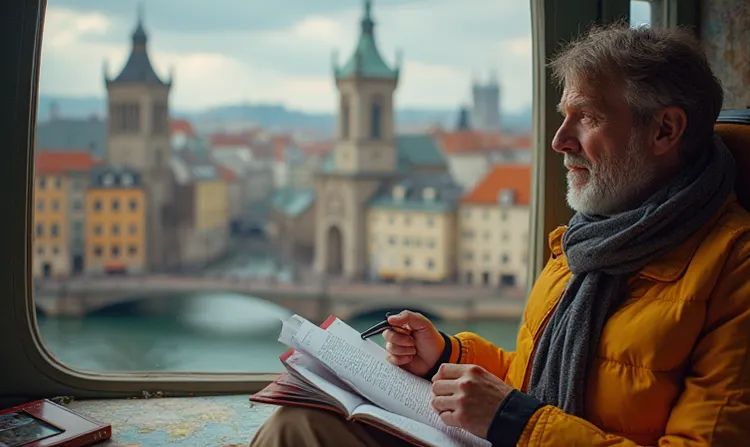
The COVID-19 pandemic has radically changed the world of travel, bringing new challenges and trends. Let's discuss how to travel safely in the new conditions and what travel formats are gaining popularity. Choose destinations for safe travel here.
🌍 Changing Preferences in Travel x
Safety First
In the new reality, safety has become a key factor when choosing a destination. Travelers prefer places with high standards of sanitation and health care.
Increased Demand for Remote Locations
Avoiding crowded tourist spots, people are heading to more secluded and unspoiled destinations such as sparsely populated islands, mountain villages and rural areas.
🛫 New Trends in Travel x
Long Term Travel
With the need for quarantine and testing, many are choosing to plan longer trips to make the most of their time in another country.
“Work on the go”
The pandemic has accelerated the remote work trend, allowing people to combine travel and work. This has created demand for places with good internet and remote work conditions.
📱 Technological Innovations in Travel
Mobile Security Apps
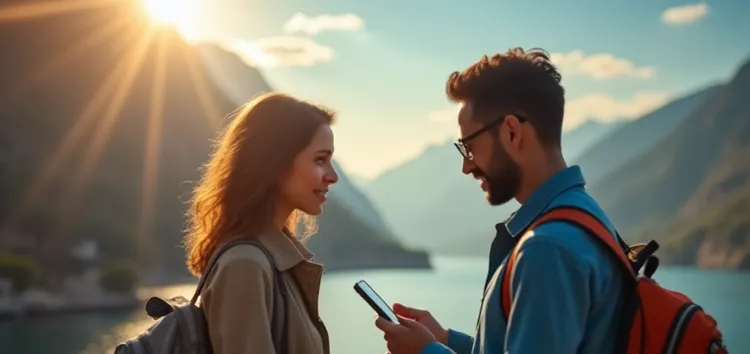
Mobile apps that provide information on safety measures, restrictions and requirements in different countries have become an essential tool for modern travelers.
Virtual Tours and Online Experiences
The rise of virtual tours and online travel allows people to explore the world without physically moving, which has become a popular choice during the pandemic and remains relevant.
🌿 Sustainable Tourism
Environmental Initiatives
Attention to ecology and sustainable tourism has increased. Travelers are looking for eco-tours and choosing accommodations that follow environmental standards.
Supporting Local Communities
The pandemic has highlighted the importance of supporting local communities. Tourists are eager to contribute to the local economy by choosing local hotels, restaurants and tours.
🧳 Adaptation of Tourism Services
Flexible Bookings and Cancellations
Travel companies and airlines are offering more flexible booking and cancellation policies, making it easier for travelers to plan their trips in an unpredictable environment.
Personalized Travel
There is an increasing demand for personalized tours and individual travel, which avoids large tourist groups and creates a safer environment.
💉 Health and Safety
Enhanced Sanitary Safety Measures
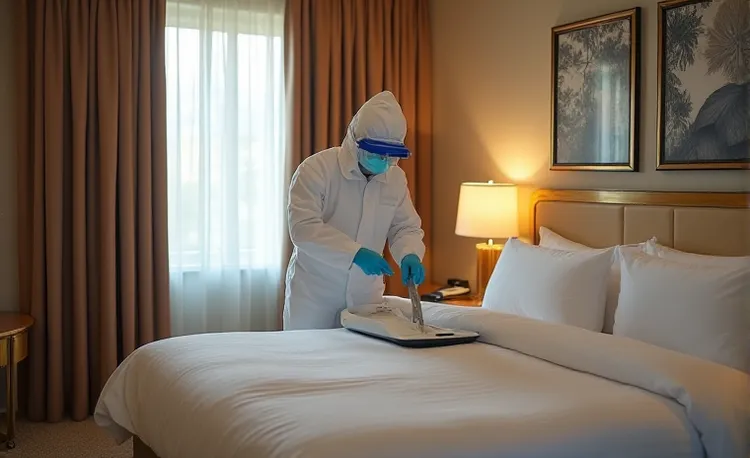
Hotels, airlines and tourist attractions are implementing enhanced health and safety measures, including frequent disinfection, the use of masks and social distancing.
Vaccination and Testing
Travel is becoming more accessible for vaccinated tourists, with many countries requiring a negative COVID-19 test or vaccination certificate.
⁉️🤔 Popular questions and answers
- What safety precautions should you consider when planning travel after the pandemic?
It is important to choose destinations with high sanitary safety standards, follow local health and safety guidelines including wearing masks and social distancing, and consider cancellation and change policies.
- How have travel trends changed since the pandemic?
Travelers are now preferring more secluded and eco-friendly destinations, longer-term and personalized trips, and are increasingly using technology to plan and execute their trips.
- Which destinations are currently considered the safest to travel to?
Countries and regions with high vaccination rates, strict health control measures and a well-organized healthcare system are considered the safest.
- Is travel possible for unvaccinated people?
Travel for unvaccinated people depends on the policies of the individual country or region. In many cases, a negative COVID-19 test and quarantine requirements are required.
💎 Results and conclusions
Traveling after the pandemic requires more careful planning and attention to safety measures. Changed travel preferences and new travel formats reflect a desire for safety, sustainability and personalization. Adaptation of travel services and the use of technology play a key role in ensuring safe and comfortable travel in the new conditions.