
🔄 Implementing the SDGs: New Models of Production and Consumption ♻️
How often do you think about what’s behind every product you buy? Perhaps it’s time to delve into the world of SDGs, which are transforming both our production and consumption. Imagine a world where every purchase contributes to a sustainable future. This is the goal of circularity (SDGs) – minimizing waste and maximizing resource efficiency.
🌍 What is SDG?
SDG, or circularity, is an approach to production and consumption that seeks to create closed resource loops by minimizing waste and improving efficiency. It is not just a new fad, but a necessity for the sustainable development of our planet. Based on the principles of “produce, use, recycle,” SDG aims to reduce negative impacts on the environment and improve quality of life.
🏭 New production models
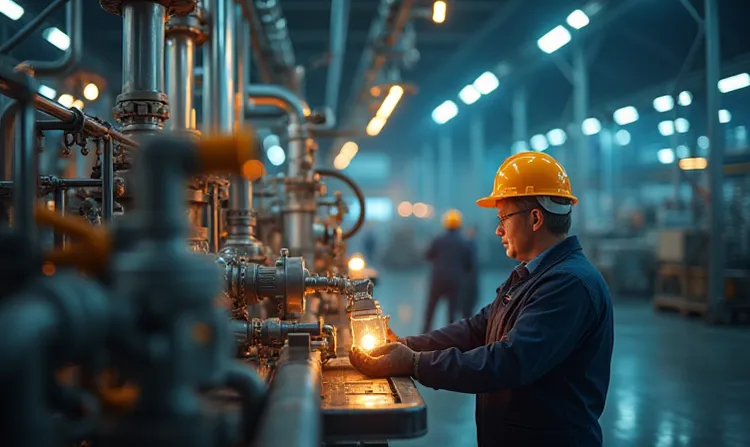
In the manufacturing sector, SDGs include innovative technologies and methods aimed at reducing waste and increasing efficiency. This may include the use of renewable energy sources, the reuse of materials, and environmentally friendly technologies. An example of such a model is the concept of “green” manufacturing, which includes the use of environmentally friendly materials and energy-efficient production processes.
🌱 Rethinking Consumption
For consumers, the SDGs mean rethinking how we buy and use products. This means choosing products that are produced with environmental and social considerations in mind. By purchasing products that are made with the SDGs in mind, you are contributing to a sustainable future. Find products that fit new consumption patterns here.
🌟 Best SDG solutions
Implementing the SDGs is the path to a healthier, more sustainable world. As a consumer, I see tremendous value in choosing products and services that align with these principles. From green energy to eco-friendly packaging, every choice matters.
🌐 Global Impact of SDGs
The implementation of the SDGs is of global importance. It not only contributes to improving environmental conditions, but also plays a key role in achieving the Sustainable Development Goals set by the UN. An example is the reduction of carbon dioxide emissions and the fight against climate change. A conscious approach to production and consumption can significantly reduce the carbon footprint of each of us.

🌟 How SDGs affect the consumer
The SDGs not only change production processes, but also influence consumer choices and behavior. People are becoming more aware and are looking to buy sustainable products. This includes choosing products with a smaller carbon footprint, durability, and recyclability. Such choices help reduce waste and help conserve natural resources.
💼 SDG-based business models
The SDGs also encourage the development of new business models. For example, the exchange or rental model, where instead of buying a product, consumers rent it for a certain period. This not only reduces waste, but also promotes more efficient use of resources.
🌱 SDG Best Practices
The SDGs include not only major technological changes, but also everyday practices that each of us can adopt. For example, using reusable bags instead of plastic ones, choosing products with less packaging, or buying locally produced products. These small steps together have a big impact on preserving the environment.
⁉️🤔 Popular questions and answers
- How do the SDGs impact the environment?
The SDGs promote waste reduction, pollution reduction and the careful use of natural resources.
- What technologies are used in the SDGs?
The SDGs actively use recycling technologies, energy efficiency, and the development of sustainable materials and packaging.
- How does the SDG impact business?
The SDGs encourage companies to innovate, help reduce costs and improve their image among consumers.
- How can consumers contribute to the SDGs?
Consumers can choose sustainable products, reduce their consumption of disposable products and actively participate in recycling.