
🌿 Sustainable agriculture: ecological methods and innovations 🌱
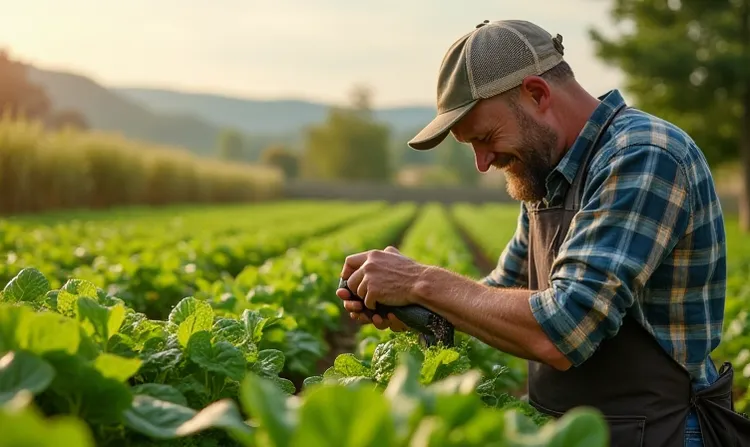
Sustainable agriculture is gaining popularity as a way to reduce environmental impact and improve the quality of produce. Explore sustainable agriculture practices here. These practices involve using environmental technologies and green innovations to create a more resilient and productive agricultural system.
🌱 Fundamentals of Sustainable Agriculture
Sustainable agriculture seeks to balance the needs of the current generation with the conservation of resources for future generations.
🌍 Ecological Technologies in Agriculture
Using environmentally friendly technologies helps reduce carbon emissions, conserve natural resources and improve product quality.
💡 Green Innovations in the Agricultural Sector
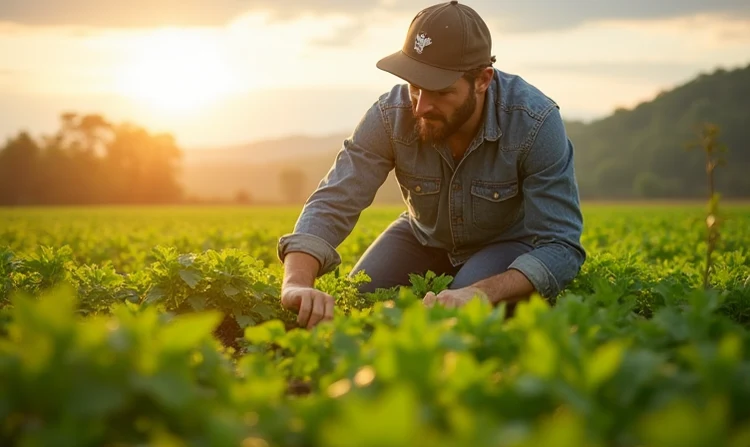
Innovations in sustainable agriculture include the development of new, more environmentally friendly fertilizers, cultivation methods and water management.
🌳 Integrated Pest Management
One of the key aspects of sustainable agriculture is integrated pest management, which involves the use of environmentally friendly methods to control and prevent pest damage to crops.
🐞 Biological Control
Use natural predators and parasites to control pests, minimizing the use of chemical pesticides.
🌾 Agronomic Practices
Use crop rotation, mulching and other agronomic practices to reduce dependence on pesticides.
🚜 Precision Farming and Automation
Precision farming and automation technologies play an important role in sustainable agriculture:
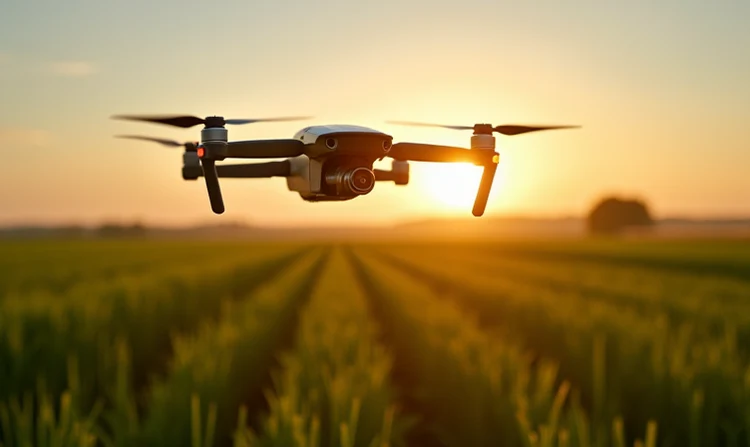
- Sensors and Drones: Using sensors and drones to monitor soil and crop conditions, allowing for more precise application of fertilizers and water.
- Automated Equipment: Use of automated equipment to reduce labor costs and improve field processing efficiency.
💧 Sustainable Water Resources Management
Effective water management is a key element of sustainable agriculture:
- Drip Irrigation Systems: Efficient use of water and minimization of losses.
- Water Saving Technologies: Application of new technologies to conserve water and reduce water consumption.
🌱 Organic Farming as a Part of Sustainable Agriculture
Organic farming is an important element of sustainable agriculture aimed at reducing environmental impact and improving product quality.
🚫 Refusal of Chemical Fertilizers and Pesticides
Use natural fertilizers and pest control methods instead of chemicals.
🍏 Growing Organic Products
Producing organic food is not only safer for the environment, but also improves consumer health.
🌳 Agroforestry and Polyculture
Agroforestry and polyculture are practices that promote biodiversity and improve the resilience of agricultural systems.
- Agroforestry: Combining agriculture and forestry to increase crop yields and conserve natural resources.
- Polyculture: Growing different types of plants in the same field to improve soil fertility and reduce the risk of disease.

🔄 Circular Economy in Agriculture
The circular economy is an approach that aims to maximize resource use and minimize waste.
- Waste Recycling: Using organic waste as fertilizer or for energy production.
- Sustainable Production: Creating systems that support sustainability and self-sufficiency on farms.
⁉️🤔 Popular questions and answers
- How does sustainable agriculture help fight climate change?
Sustainable agriculture reduces carbon emissions by minimizing the use of fossil fuels, increases carbon sequestration in soil and plants, and reduces water and energy consumption.
- What technologies are used in sustainable agriculture?
Sustainable agriculture uses drip irrigation, solar panels, biological pest control, precision farming using sensors and drones, and agroforestry and polyculture techniques.
- How to start the transition to sustainable farming methods?
To begin, it is necessary to evaluate current methods and determine which of them can be replaced with more environmentally friendly alternatives. This can begin with the introduction of organic farming, the use of renewable energy sources, and the optimization of resource use.
💎 Results and conclusions
Sustainable agriculture plays a key role in creating a greener and more productive future. It involves the application of eco-technologies and green innovations that reduce environmental impacts and improve product quality. From integrated pest management to the circular economy, sustainable farming methods offer solutions to many of today’s environmental challenges and promote sustainable development in the agricultural sector.